12 Quiet Signs Your Dog May Be Stressed
Learn the small signals that often appear before barking, hiding, or a bigger reaction.

Dogs often communicate discomfort long before they growl or try to leave. Reading the whole body—and the situation around it—helps you respond earlier and more kindly.
Look for clusters, not one gesture
A yawn can mean tiredness, and lip licking can follow a snack. But repeated yawning, lip licking, turning away, and a lowered posture during a noisy visit form a more meaningful pattern.
Common signals include a tucked tail, pinned ears, whale eye, sudden scratching, shaking off when dry, panting without heat, pacing, freezing, refusing food, hiding, and unusually close following.
Create distance and choice
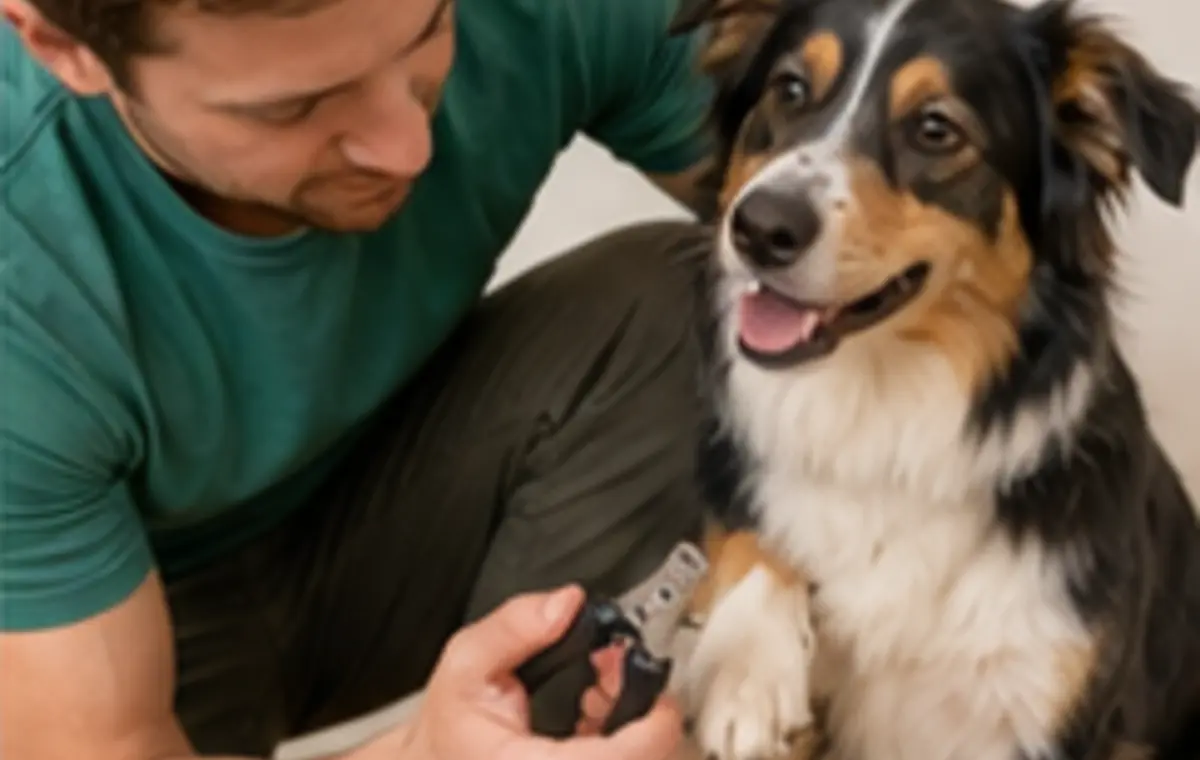
Move your dog away from the trigger without dragging them toward it for a greeting. Offer a quiet room, an open crate, or space behind a baby gate. Let the dog choose whether to approach again.
Punishing a growl removes useful warning information; it does not make the underlying fear disappear.
When to get help
New or intense behavior can be linked to pain or illness, so start with a veterinarian. For ongoing fear or aggression, ask for a qualified reward-based trainer or veterinary behavior professional. Safety comes before practice.
- Separate dogs and children when supervision is not active
- Avoid forced handling
- Record triggers and recovery time
The useful takeaway
Keep the next step small, consistent, and suited to the dog in front of you. Track what changes, avoid forcing progress, and bring a veterinarian or qualified behavior professional into the plan whenever health, fear, or safety is involved.
Sources and review: Our editorial team checks care guidance against widely accepted veterinary and animal-welfare principles. See our editorial policy for sourcing, corrections, and update standards.