Build a Practical Dog First-Aid Kit
Useful supplies, emergency information, and the limits of first aid.
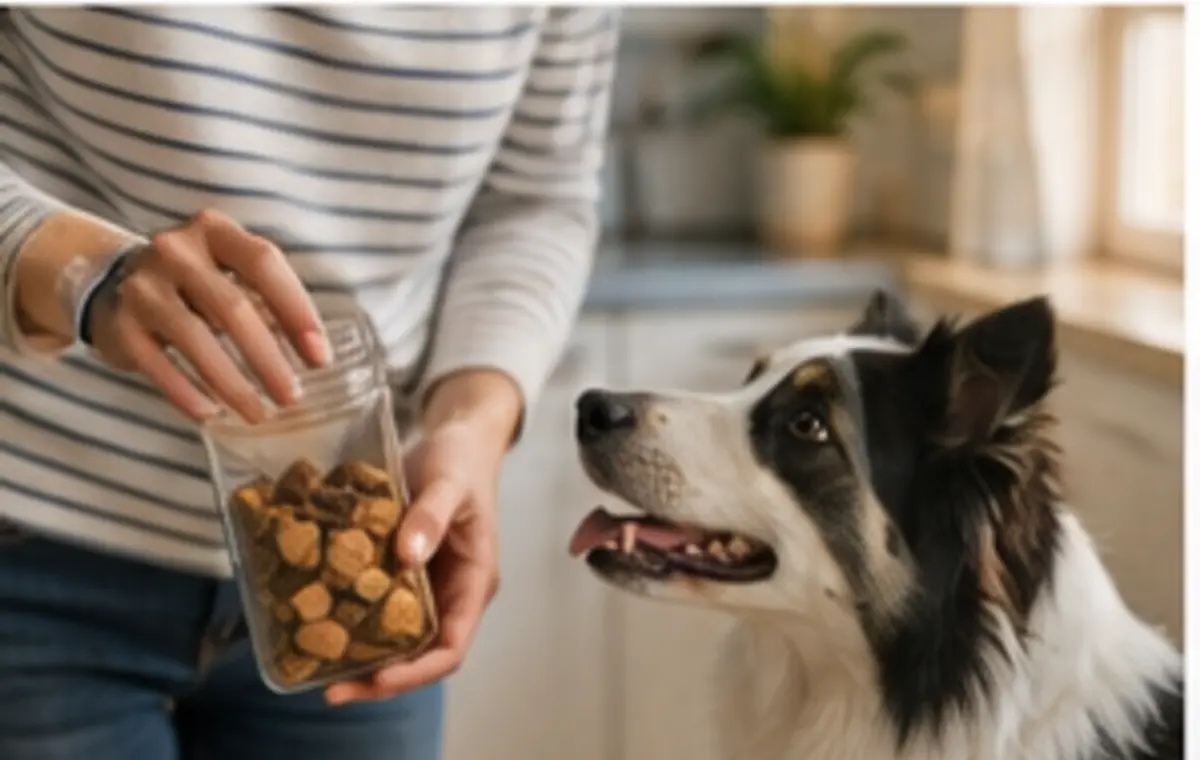
A prepared kit saves time during minor incidents and helps you follow professional instructions. It does not replace urgent care.
Pack essentials
Include gauze, non-stick pads, cohesive bandage, saline, gloves, blunt scissors, tweezers, thermometer, and spare leash.
- Keep sessions short and calm
- Change one variable at a time
- Stop if your dog shows discomfort
Add information
Keep clinic and poison-service numbers, medication details, microchip number, and a recent photo.
Know emergencies
Breathing difficulty, collapse, uncontrolled bleeding, seizures, poisoning, bloat, or major trauma needs immediate care.
The useful takeaway
Keep the next step small, consistent, and suited to the dog in front of you. Track what changes, avoid forcing progress, and bring a veterinarian or qualified behavior professional into the plan whenever health, fear, or safety is involved.
Sources and review: Our editorial team checks care guidance against widely accepted veterinary and animal-welfare principles. See our editorial policy for sourcing, corrections, and update standards.