Your First Week With a Rescue Dog
A low-pressure plan for safety, routine, rest, introductions, and realistic expectations.
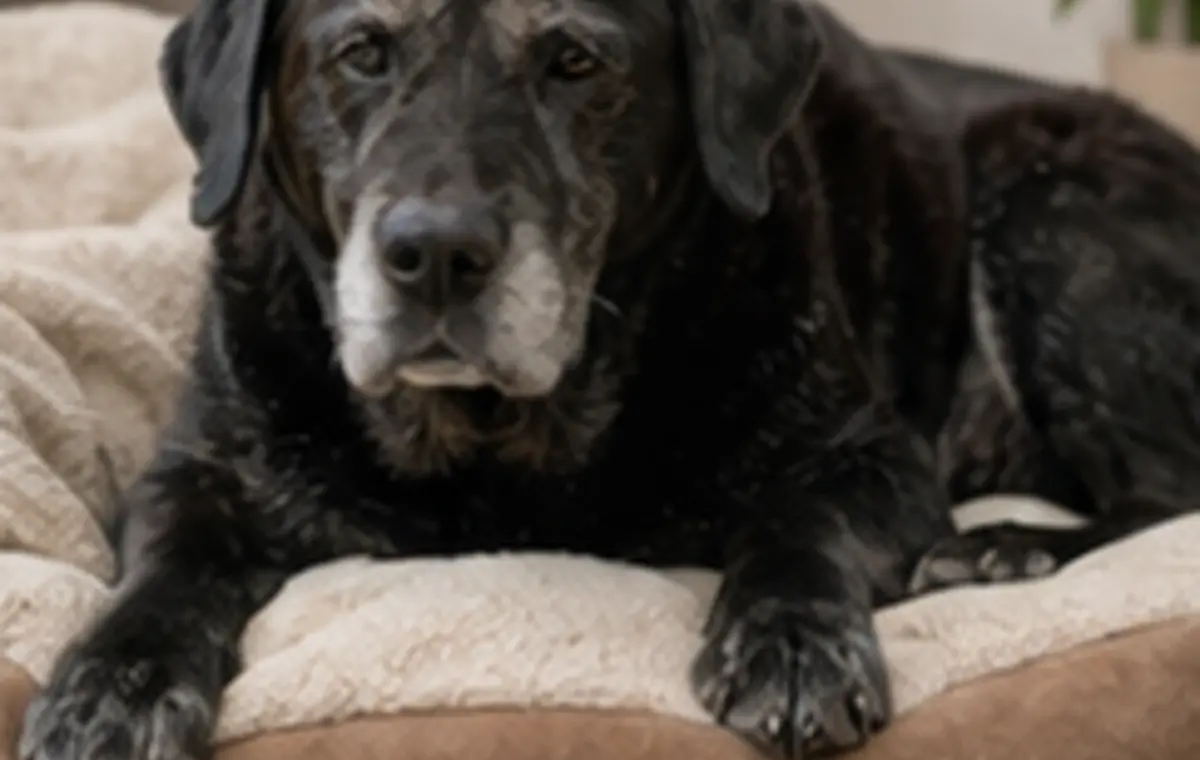
The first week is less about showing a new dog everything and more about helping them feel safe enough to learn your routine.
Make life predictable
Use the same door for toilet trips, feed at regular times, and keep walks quiet and short. Show the dog one or two rooms first rather than opening the whole home immediately.
Provide an undisturbed resting place. Sleep, soft voices, and simple routines are productive during this stage.
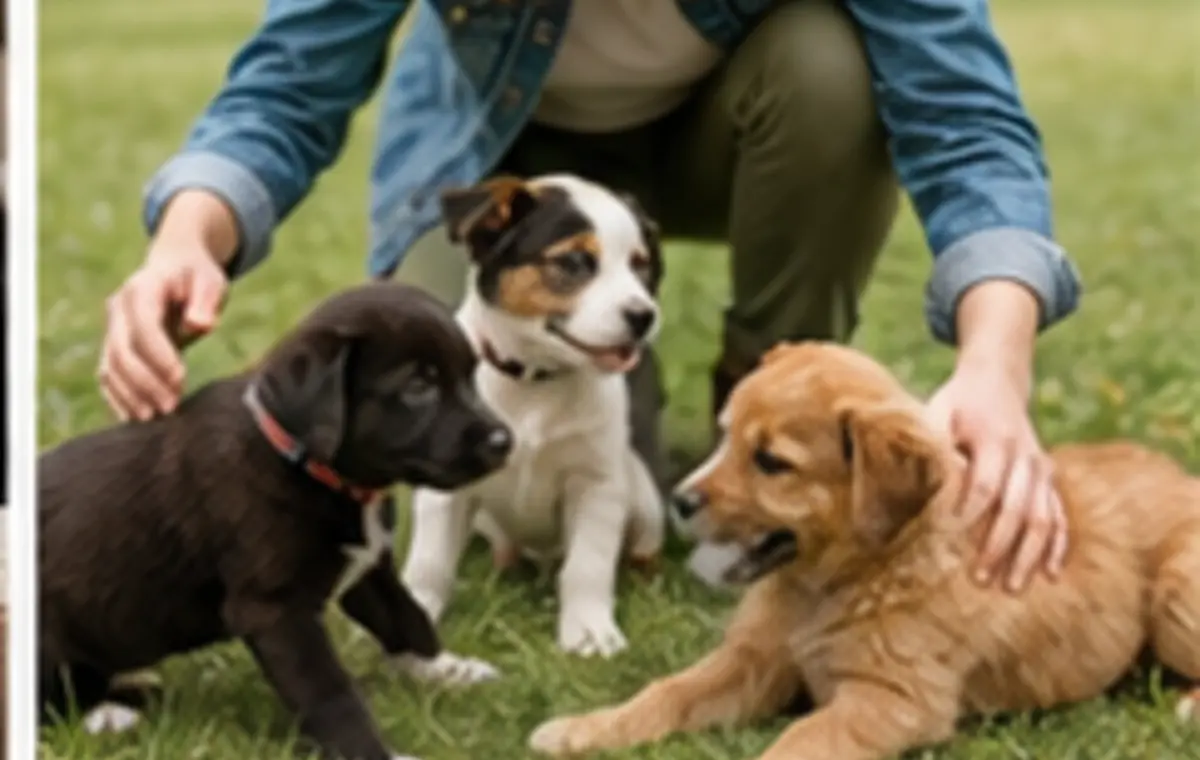
Slow down introductions
Meet household members one at a time. Ask visitors to avoid leaning over, hugging, or reaching toward the dog. Introduce resident pets with barriers and careful supervision; separate food, toys, and resting areas at first.

- Keep identification securely attached
- Check gates and fence gaps
- Use a well-fitted harness and leash
- Supervise all child interactions
Measure progress fairly
Eating, resting, exploring, and choosing to approach are meaningful wins. Personality may unfold over weeks or months. If the dog shows persistent panic, aggression, or inability to settle, involve the rescue, your veterinarian, and a qualified behavior professional early.
The useful takeaway
Keep the next step small, consistent, and suited to the dog in front of you. Track what changes, avoid forcing progress, and bring a veterinarian or qualified behavior professional into the plan whenever health, fear, or safety is involved.
Sources and review: Our editorial team checks care guidance against widely accepted veterinary and animal-welfare principles. See our editorial policy for sourcing, corrections, and update standards.