Rainy-Day Dog Walks: Comfort and Paw Care
Keep wet-weather outings safe while preserving chances to sniff and move.
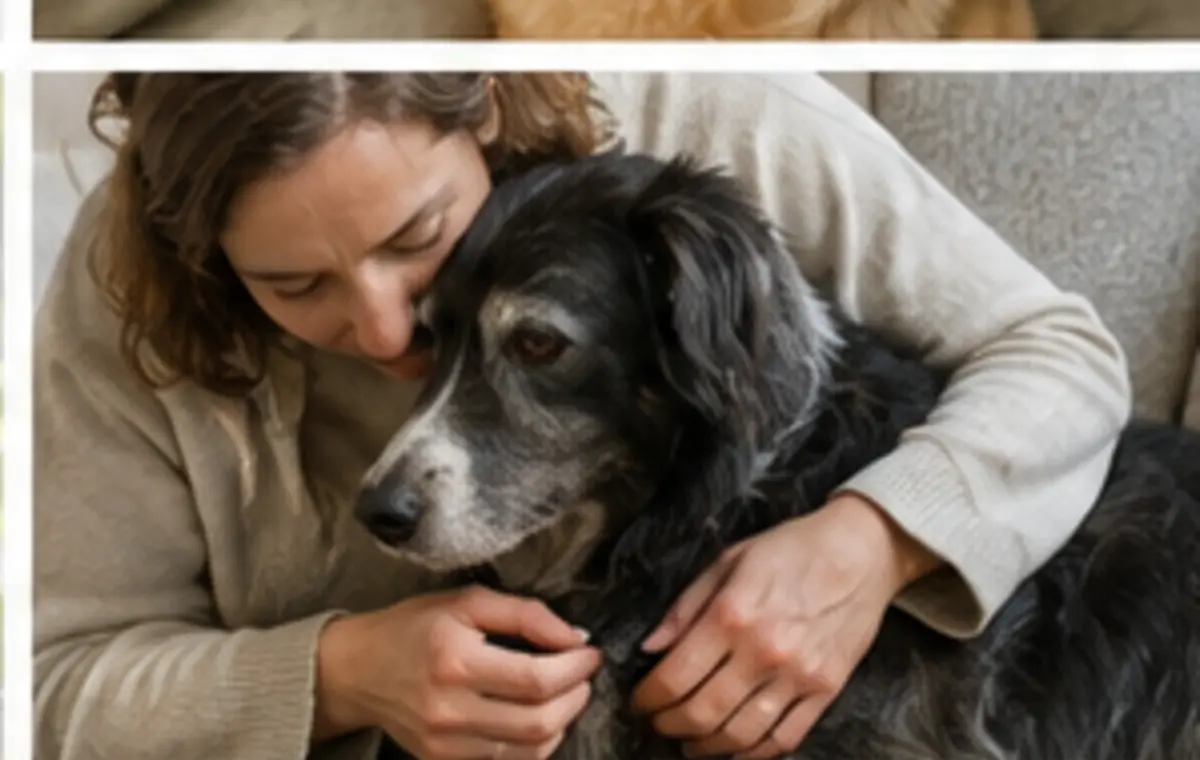
Most dogs can enjoy shorter wet-weather walks with visibility, secure footing, and proper drying afterward.
Choose the route
Avoid flooded streets, fast water, unstable ground, and low-visibility roads. Use reflective gear.
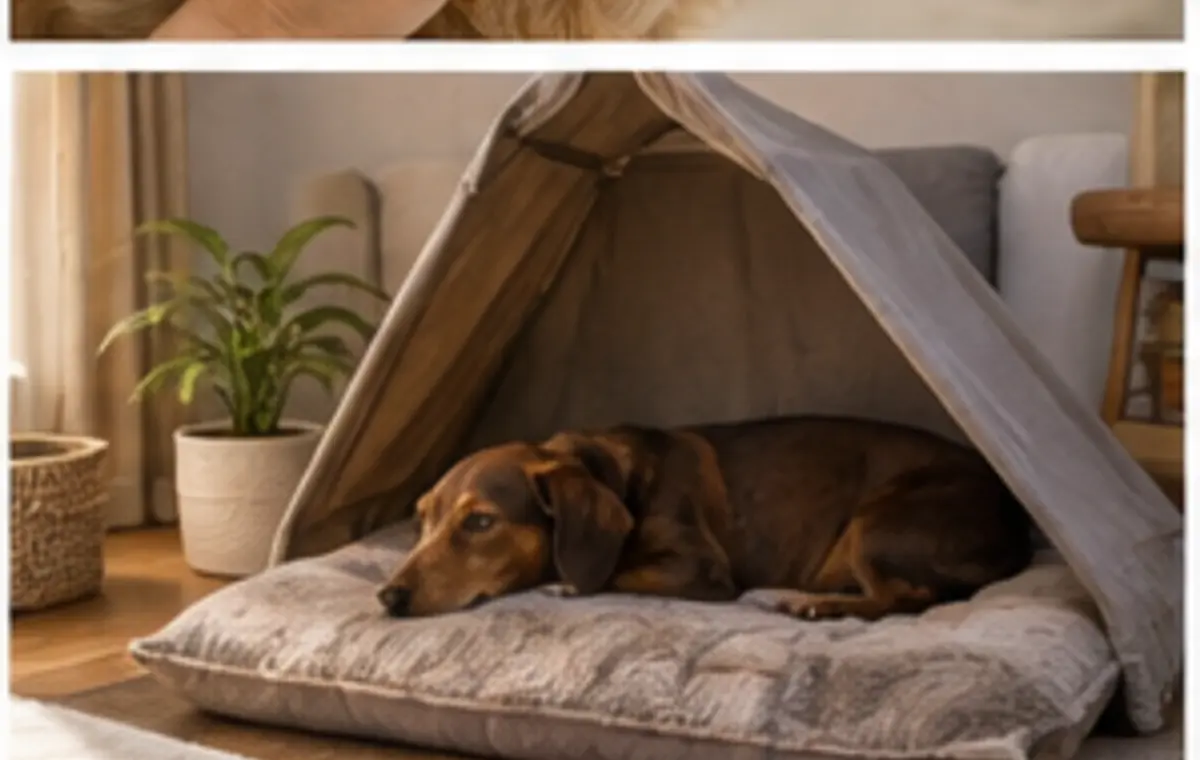
- Keep sessions short and calm
- Change one variable at a time
- Stop if your dog shows discomfort
Dry more than the coat
Towel the chest, belly, legs, toes, and skin under gear. Remove wet harnesses.
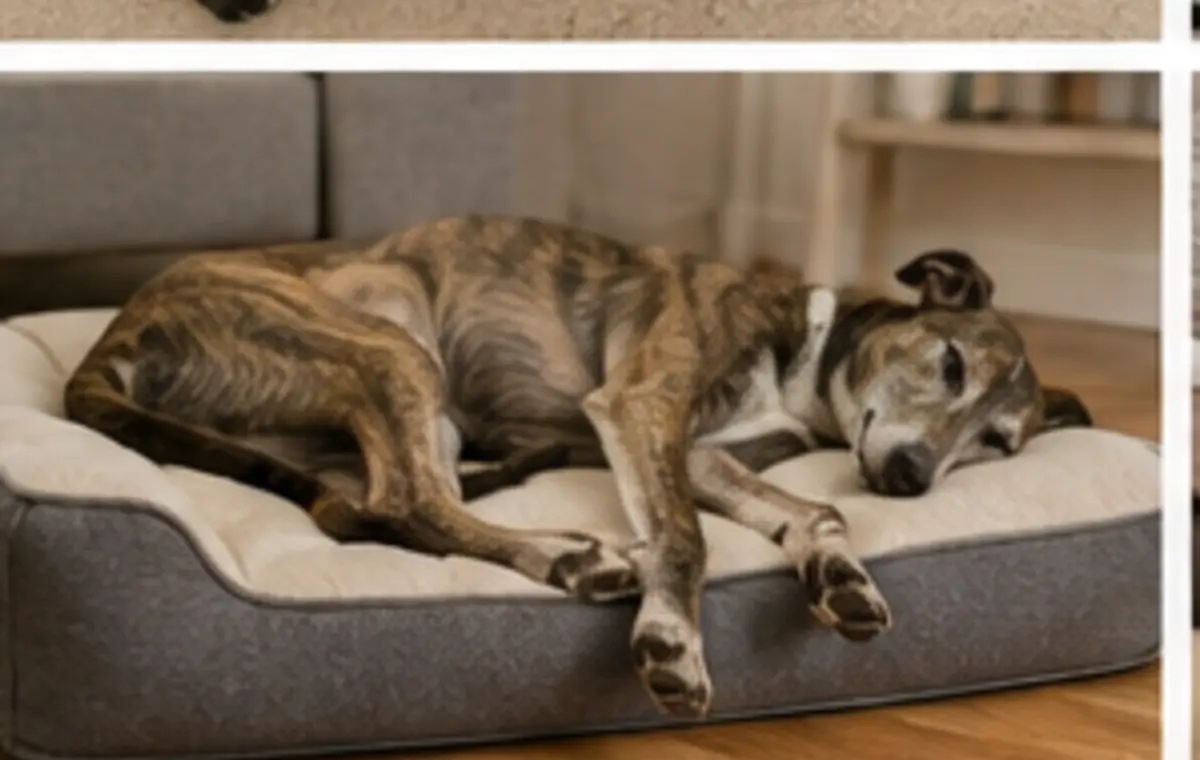
Respect comfort
Thin-coated, elderly, young, or unwell dogs may chill sooner. Return if they shiver or lift paws.
The useful takeaway
Keep the next step small, consistent, and suited to the dog in front of you. Track what changes, avoid forcing progress, and bring a veterinarian or qualified behavior professional into the plan whenever health, fear, or safety is involved.
Sources and review: Our editorial team checks care guidance against widely accepted veterinary and animal-welfare principles. See our editorial policy for sourcing, corrections, and update standards.