Simple Home Changes That Help Senior Dogs
Improve traction, rest, access, and daily predictability.
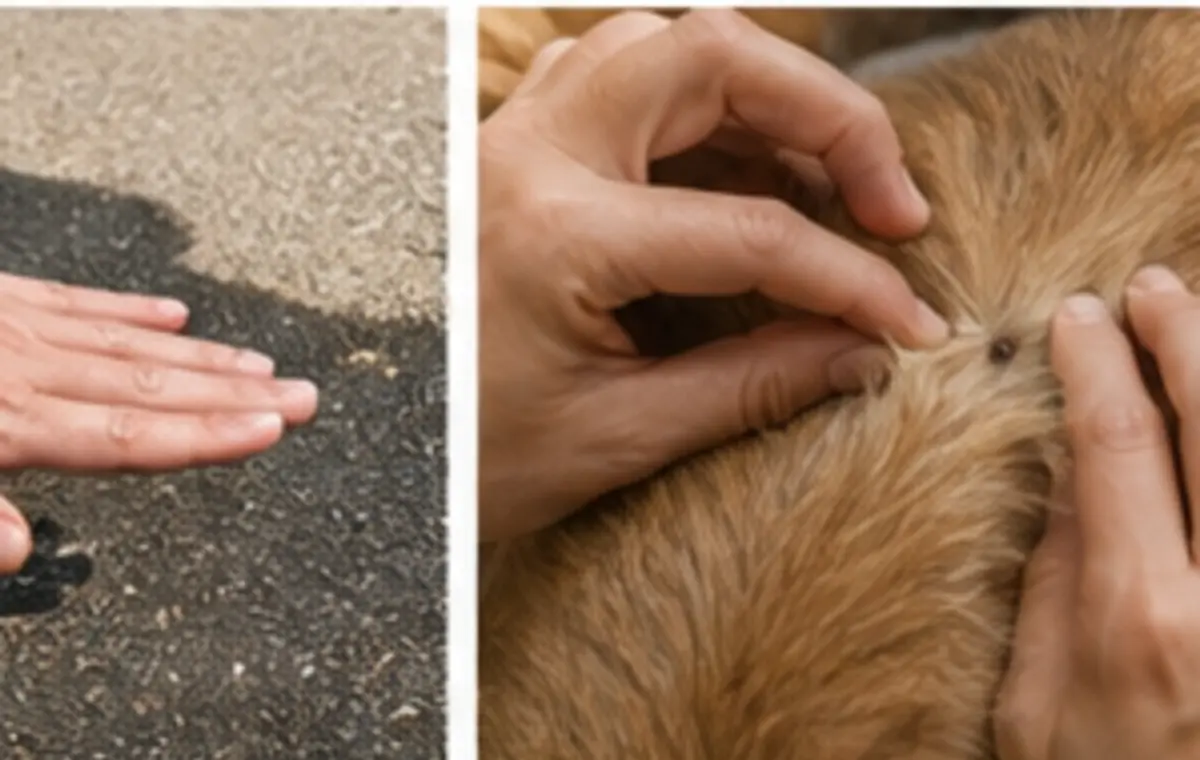
Small environmental changes can help an older dog move confidently and make health changes easier to notice.
Improve grip and access
Place non-slip runners on slick paths, use stable ramps where appropriate, and keep resources easy to reach.
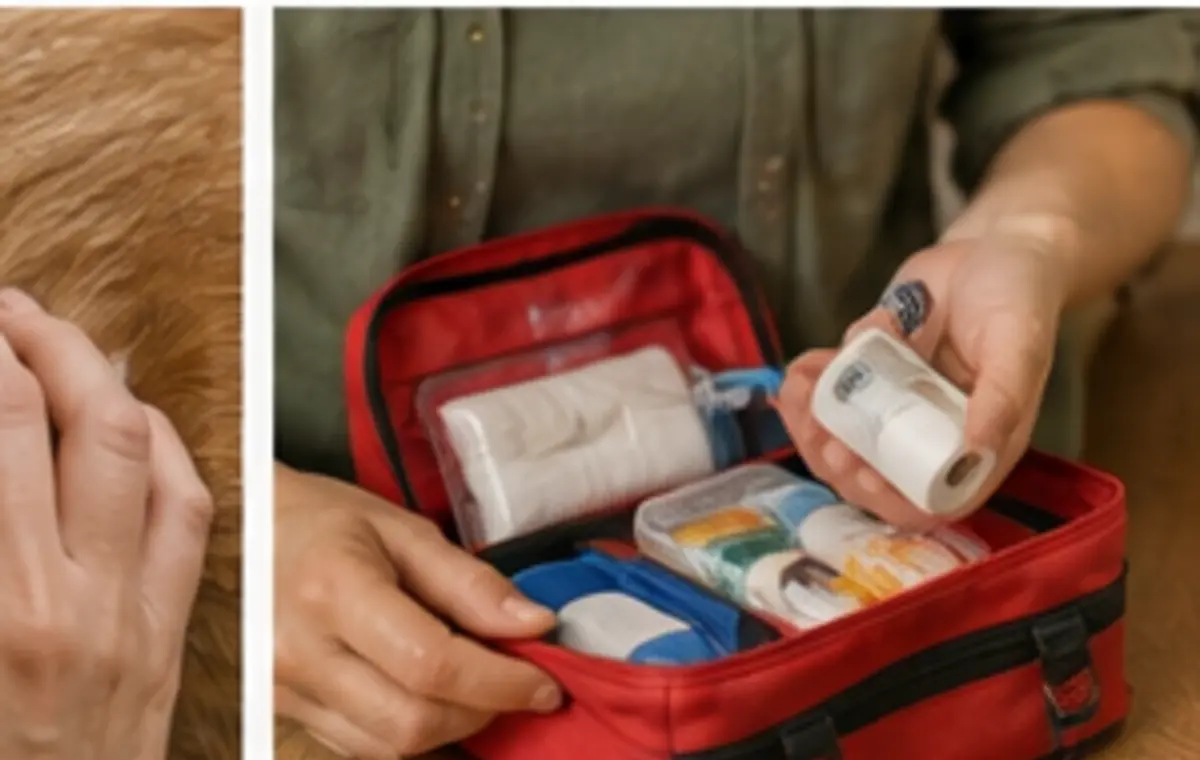
- Keep sessions short and calm
- Change one variable at a time
- Stop if your dog shows discomfort
Support rest
Offer a supportive bed, more toilet breaks, gentle activity, and predictable furniture placement.
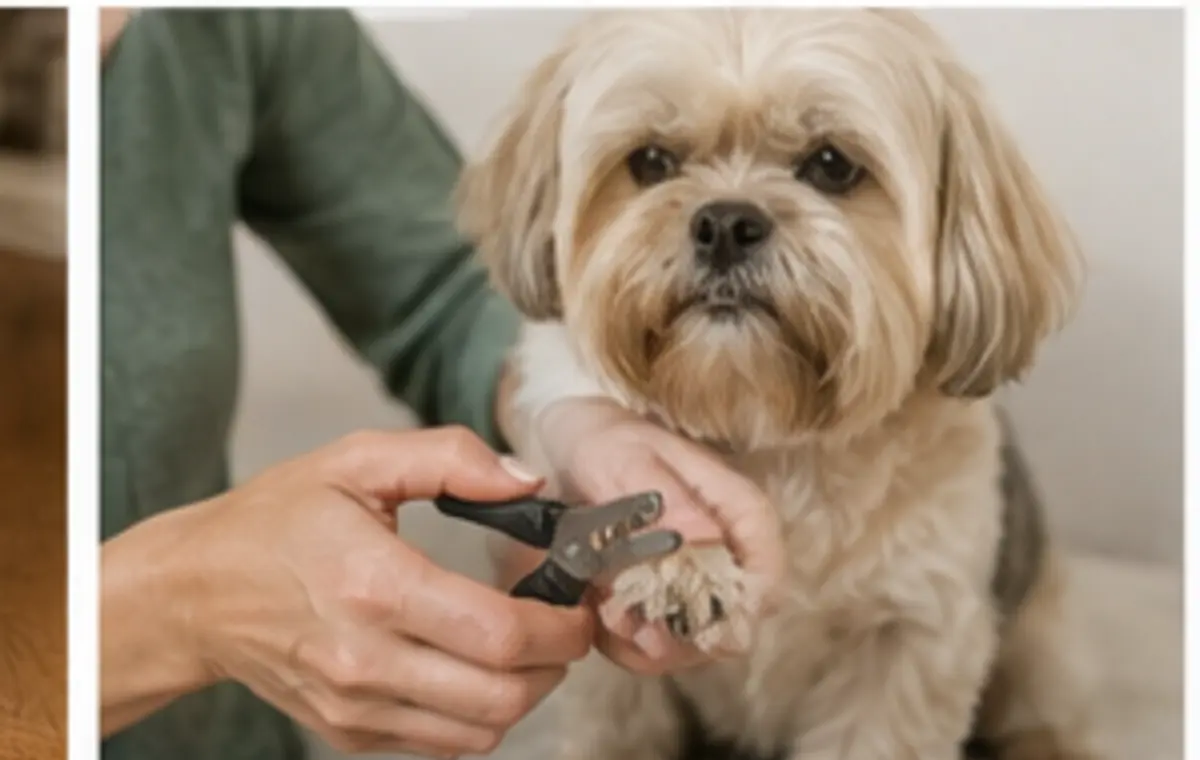
Do not dismiss changes
Stiffness, pacing, accidents, weight change, coughing, or confusion can reflect treatable pain or disease.
The useful takeaway
Keep the next step small, consistent, and suited to the dog in front of you. Track what changes, avoid forcing progress, and bring a veterinarian or qualified behavior professional into the plan whenever health, fear, or safety is involved.
Sources and review: Our editorial team checks care guidance against widely accepted veterinary and animal-welfare principles. See our editorial policy for sourcing, corrections, and update standards.