Teach Loose-Leash Walking in Small Steps
Build attention and a comfortable rhythm before adding busy streets.
Loose-leash walking is easier when staying near you makes the walk continue. Begin where success is likely.
Start before the pavement
Reward your dog beside you indoors, take one or two steps, and reward again with the leash relaxed.
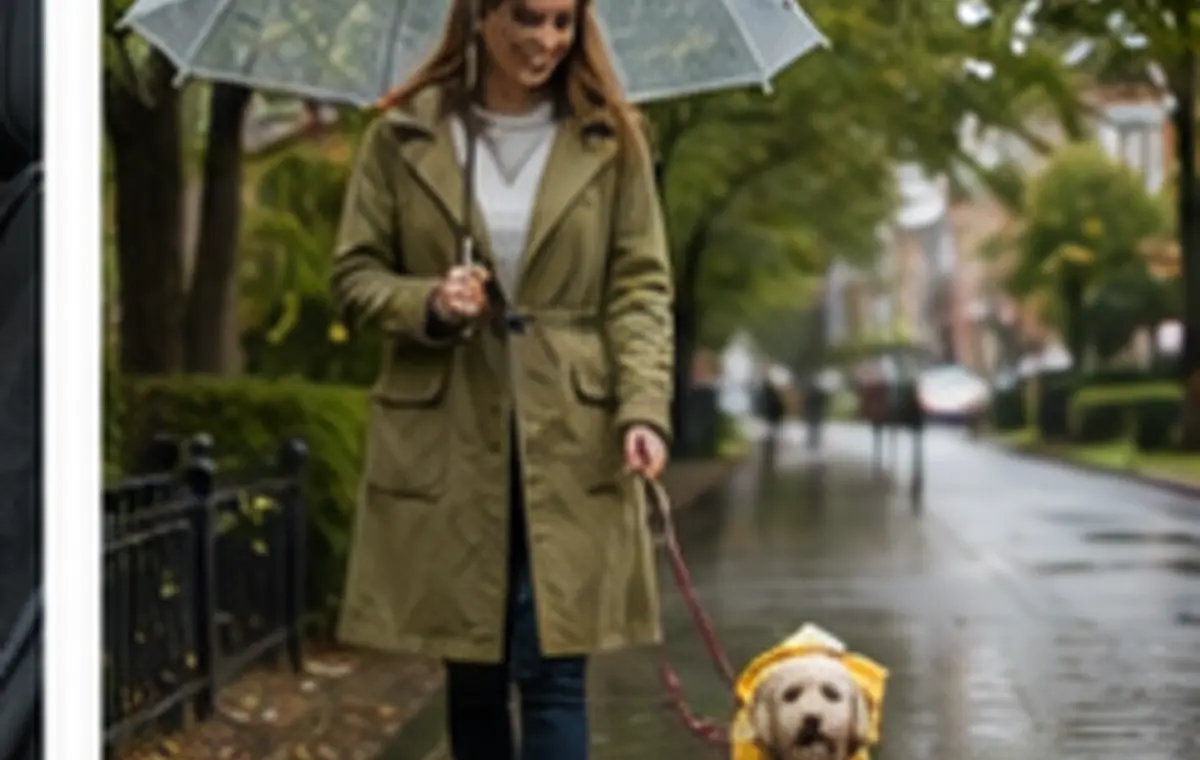
- Keep sessions short and calm
- Change one variable at a time
- Stop if your dog shows discomfort
Use movement as a reward
When the leash tightens, pause. Move again when the dog returns and the leash softens.
Fit comfortable equipment
Use a well-fitted harness or collar and fixed-length leash. Seek help for fear, pain, or extreme reactivity.
The useful takeaway
Keep the next step small, consistent, and suited to the dog in front of you. Track what changes, avoid forcing progress, and bring a veterinarian or qualified behavior professional into the plan whenever health, fear, or safety is involved.
Sources and review: Our editorial team checks care guidance against widely accepted veterinary and animal-welfare principles. See our editorial policy for sourcing, corrections, and update standards.